⏳ Trump’s Deadline Diplomacy: Can Peace Be Achieved by June?
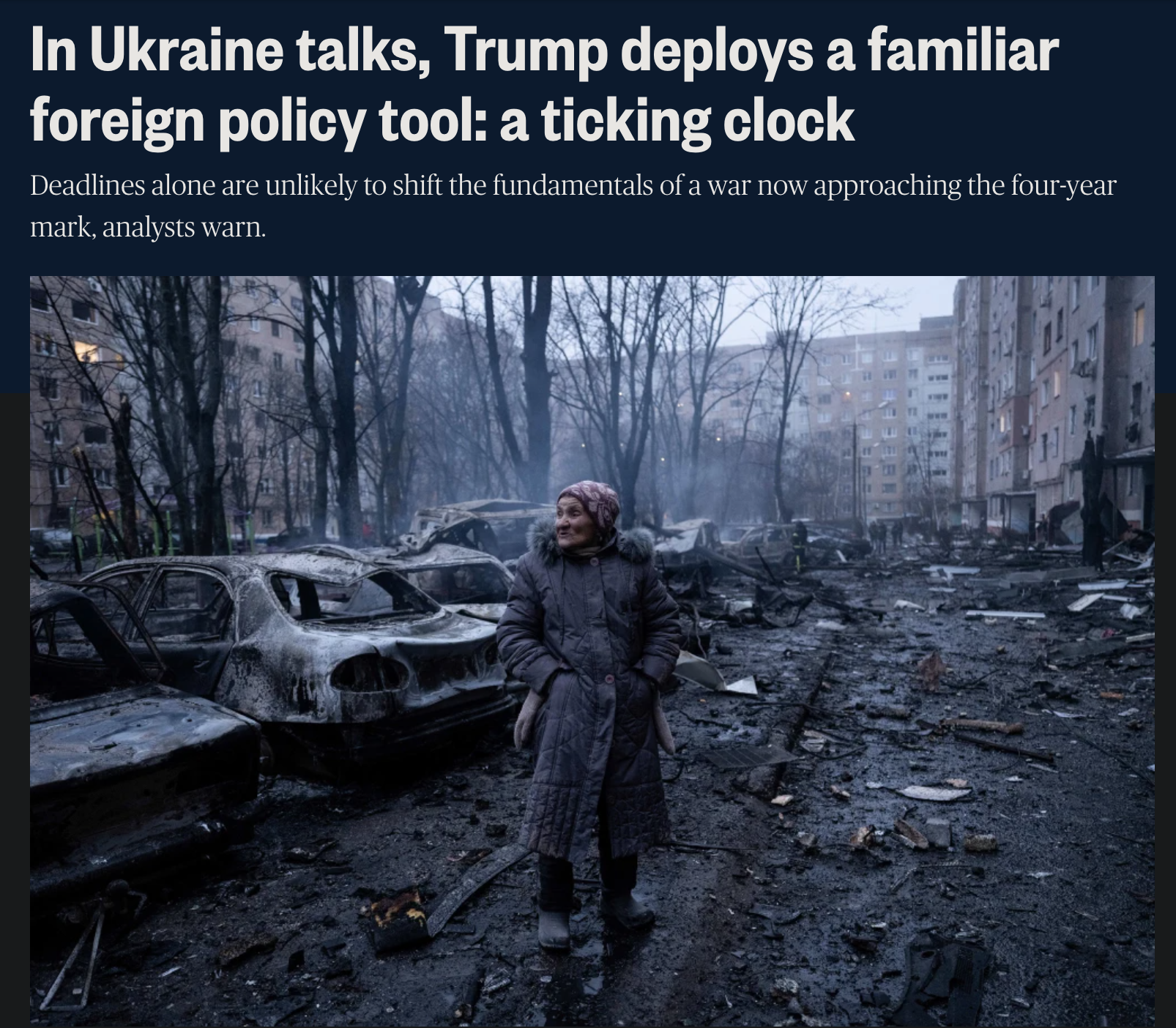
⏳ Trump’s Deadline Diplomacy: Can Peace Be Achieved by June?
📍 Washington — Since returning to office, President Donald Trump has revived a familiar strategy in foreign policy: strict timelines aimed at accelerating progress in some of the world’s most entrenched conflicts. Supporters describe it as decisive leadership. Critics question whether deadlines alone can reshape complex geopolitical realities.
Now, according to Ukrainian President Volodymyr Zelenskyy, the United States is seeking a deal to end the war in Ukraine by June, signaling another ambitious diplomatic target.
 📌 A Pattern of High Pressure Timelines
Trump has previously imposed firm deadlines in multiple global crises. He set timelines for Hamas regarding Gaza peace proposals, established a two month window for Iran to negotiate a new nuclear agreement, and issued multiple cutoff dates in talks related to Ukraine and Russia.
The strategy reflects a belief that prolonged negotiations without firm timeframes risk stagnation. By setting clear deadlines, the administration aims to force movement, increase urgency, and compel negotiating parties to make concessions.
However, past experience shows mixed results. While deadlines can concentrate attention, they do not automatically resolve deep rooted disputes.
🇺🇦 Zelenskyy: U.S. Seeks Summer Breakthrough
Speaking publicly, Ukrainian President Volodymyr Zelenskyy said Washington hopes to “end the war by the beginning of this summer.” He added that the United States appears prepared to apply diplomatic and possibly economic pressure to meet that schedule.
If accurate, the June goal would mark one of the most ambitious attempts yet to halt the conflict, which is approaching its fifth year. The war has reshaped European security, strained global energy markets, and altered the geopolitical balance across the continent.
Despite Zelenskyy’s remarks, neither the White House nor Moscow has formally confirmed a June deadline. The absence of official confirmation leaves questions about whether the timeline reflects active negotiations or broader diplomatic aspirations.
⚖️ Challenges on the Ground
Analysts caution that while deadlines can create momentum, they cannot erase battlefield realities or entrenched political positions. Key disputes remain unresolved, including territorial control, security guarantees, reconstruction funding, and long term regional stability.
Military dynamics also complicate diplomacy. Shifts in frontline positions, weapons supplies, and strategic alliances influence negotiating leverage. Without mutual readiness for compromise, timelines risk becoming symbolic rather than substantive.
Experts warn that overly rigid deadlines may also create pressure for incomplete agreements that fail to address root causes of the conflict.
🌍 Deadline Diplomacy in a Complex World
Trump’s approach reflects a broader philosophy that bold targets can disrupt diplomatic inertia. By setting visible milestones, the administration signals urgency to both allies and adversaries.
Yet the effectiveness of deadline diplomacy ultimately depends on the willingness of all parties to engage in good faith negotiations. In conflicts marked by deep mistrust and competing strategic objectives, timelines alone may not deliver durable peace.
As June approaches, global observers will be watching closely to see whether high pressure diplomacy can translate into concrete progress or whether the realities of war will once again outlast the calendar.