DID GOOGLE NEST FAIL NANCY GUTHRIE? THE FOOTAGE MYSTERY!
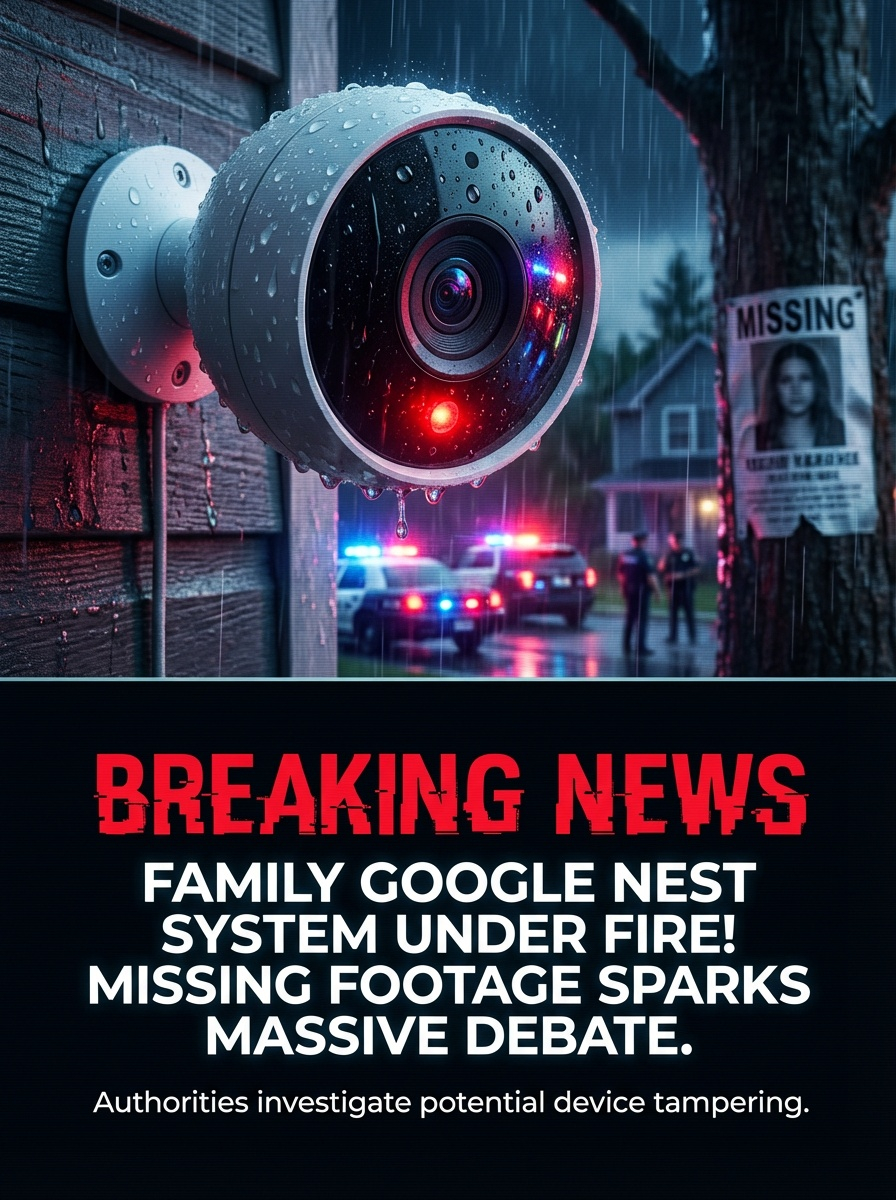
TUCSON, ARIZONA — The investigation into the disappearance of Nancy Guthrie has taken a significant technological turn, as newly recovered surveillance footage from the family’s Google Nest doorbell camera emerges as a critical piece of evidence in the high-profile case.
Guthrie, 84, the mother of television journalist Savannah Guthrie, vanished from her Catalina Foothills home on February 1 under circumstances authorities believe constitute an abduction. Early in the investigation, local officials indicated that the home’s doorbell camera had been disconnected during the night of her disappearance, leaving investigators without immediate visual evidence from the crucial time window.
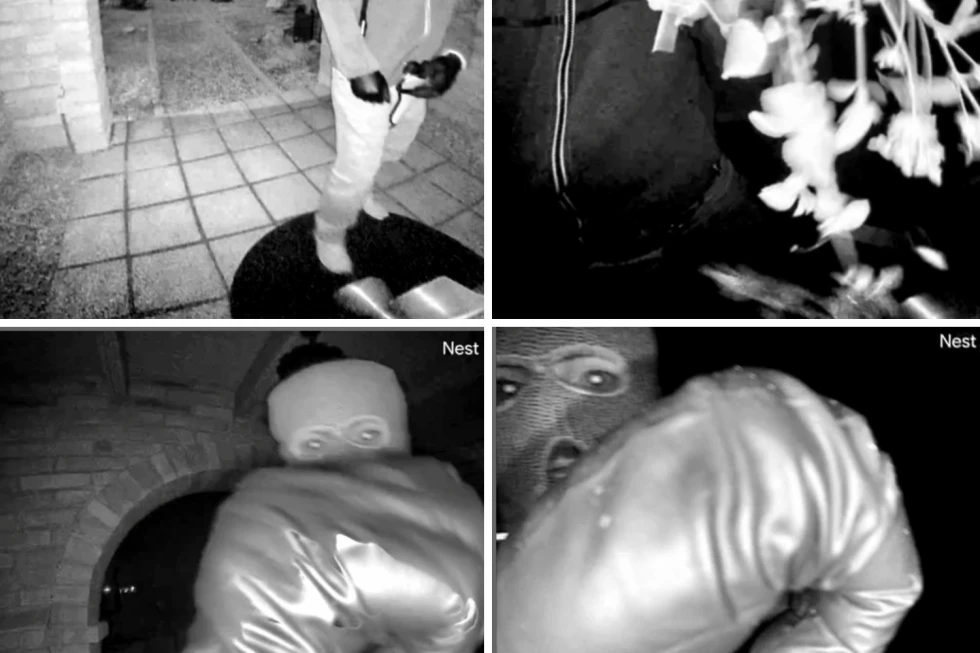
Days later, however, federal authorities confirmed a breakthrough. Working with technology specialists and private-sector partners, investigators were able to recover previously inaccessible footage showing a masked, armed individual at Guthrie’s front door, appearing to tamper with the camera system shortly before she went missing. The FBI released still images and video clips to the public in hopes of identifying the individual.
Forensic analysis indicates the camera was intentionally disabled around 1:47 a.m., followed by motion detection minutes later—suggesting the perpetrator may have attempted to erase or prevent recording during the abduction window. Authorities have not publicly disclosed whether the device was physically removed, damaged, or digitally interfered with.
Technology experts say the footage recovery highlights the complex architecture of modern smart-home systems. Even when a camera is disconnected or lacks a paid cloud subscription, short video fragments may still be temporarily stored in backend servers or residual data caches. In Guthrie’s case, engineers reportedly reconstructed usable clips from fragmented cloud storage—a technically demanding process rarely deployed outside major criminal investigations.
The development has sparked wider debate about digital privacy and surveillance reliability. While some observers question how recoverable data persists after deletion, cybersecurity specialists note that such recovery typically requires legal authorization and significant technical resources.
Law enforcement officials emphasize that the footage represents only one component of a broader evidentiary effort that includes forensic testing, ransom communications analysis, and multi-agency search operations.
As the investigation continues, the recovered camera data stands as both a potential investigative breakthrough—and a stark reminder of the expanding role smart-home technology now plays in modern criminal cases.