Fiery GB News Clash Puts Rachel Reeves Under Spotlight Amid Budget Dispute
- SaoMai
- February 11, 2026
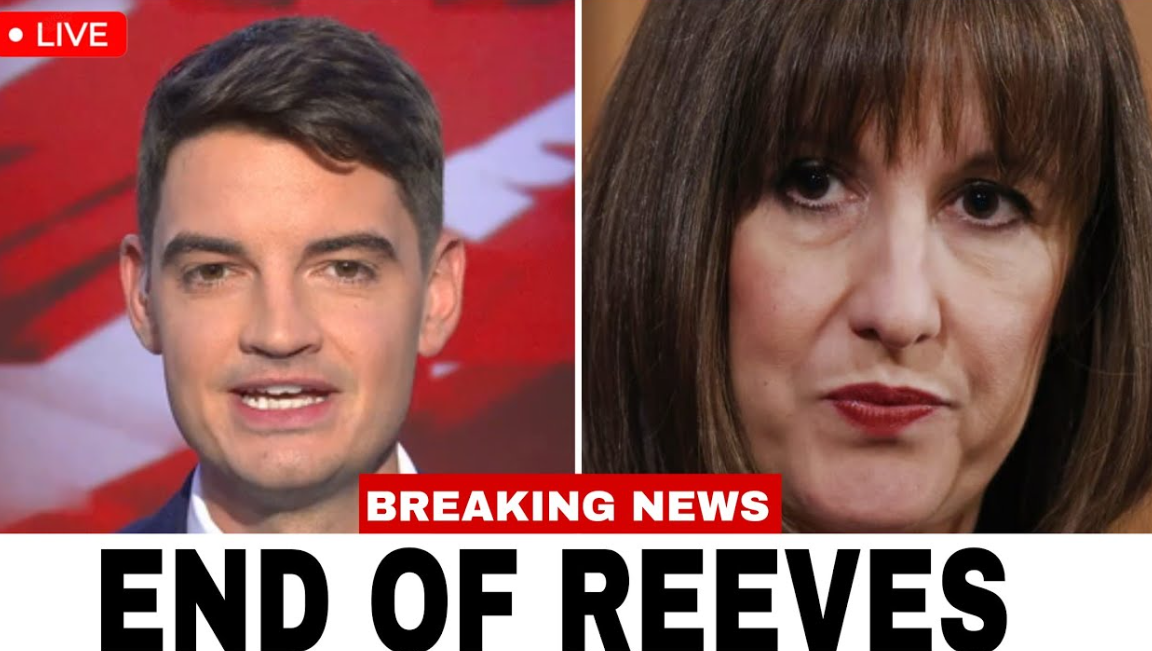
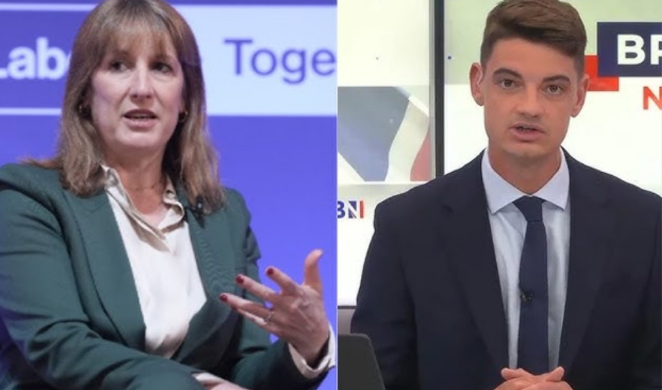
A heated on-air exchange between GB News presenter Ben Leo and Chancellor Rachel Reeves has triggered intense political debate after a tense discussion over the government’s “£22 billion black hole” claim.
During the interview, Leo challenged Reeves on the figure, arguing that Office for Budget Responsibility (OBR) assessments did not support the scale or framing of the shortfall as presented. He pressed her repeatedly on how the calculation was reached and whether the language used had overstated the situation. The segment quickly gained traction online, with clips circulating widely across social media platforms.
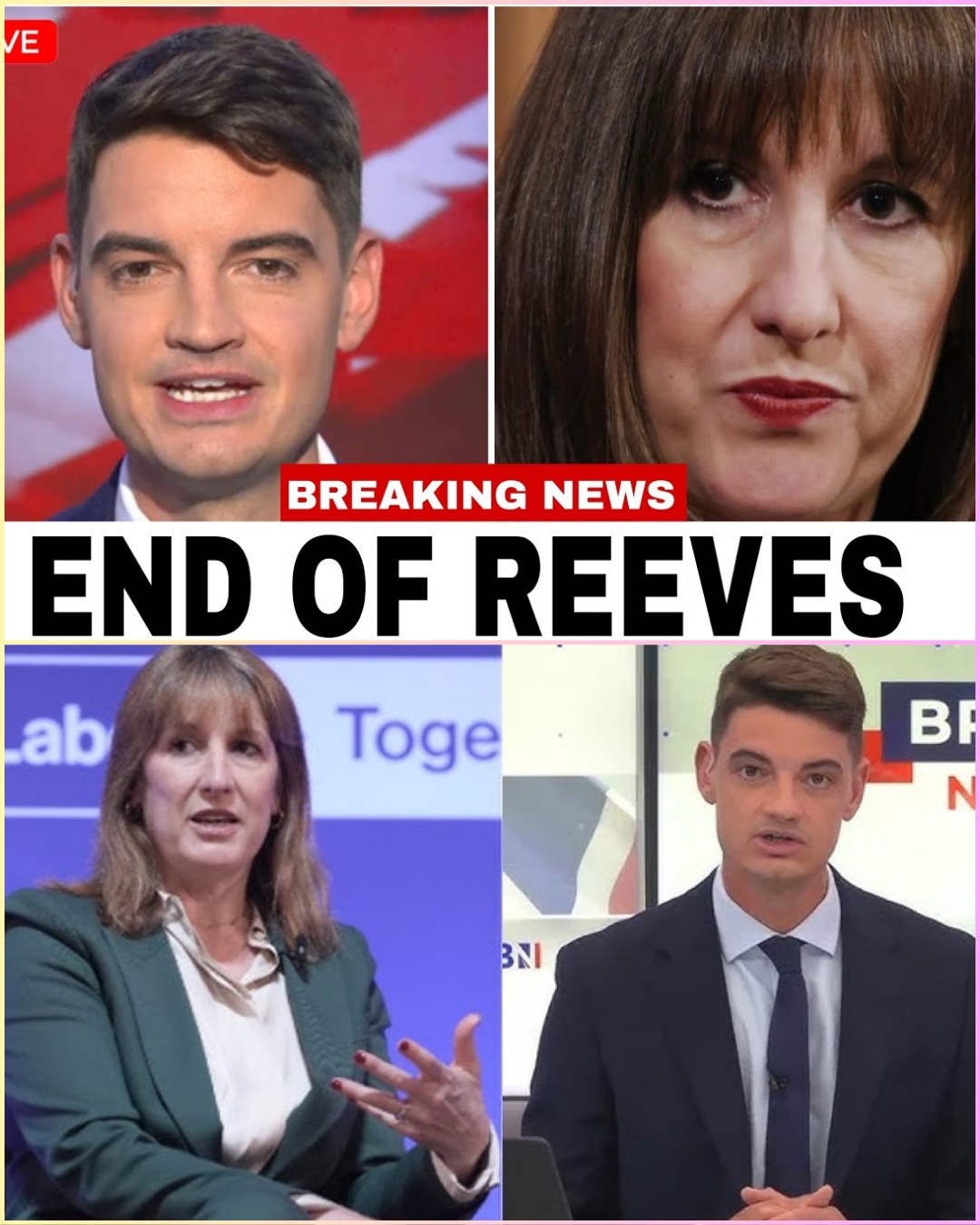 Reeves defended her position, maintaining that the figure reflected inherited fiscal pressures and spending commitments that, in her view, required urgent action. She has previously argued that tough decisions are necessary to restore economic stability and rebuild market confidence. Supporters say she is being transparent about the state of the public finances; critics argue the messaging has been politically charged. The exchange grew visibly tense as OBR forecasts and fiscal projections were referenced during the discussion. While some commentators described Reeves as under sustained pressure, others noted that robust scrutiny of government economic claims is standard in high-stakes political interviews.
 The broader issue centers on how budget gaps are calculated and communicated. Fiscal “black holes” often depend on assumptions about growth, borrowing costs, and future spending plans — areas where interpretation can vary. Independent oversight bodies like the OBR provide forecasts, but governments ultimately frame policy decisions around those projections.
Labour sources have downplayed suggestions of internal panic, emphasizing that economic reform and fiscal discipline remain central to the party’s agenda. Meanwhile, opposition voices continue to question both the scale of the shortfall and the political narrative surrounding it. The clash reflects the high-pressure environment surrounding economic policy in the UK, where messaging, credibility, and market confidence are closely intertwined. As debate over the public finances continues, scrutiny of the numbers — and how they are presented — is unlikely to ease.