DAD DEPORTED, SON LEFT TO DIE! UNFORGIVABLE TRAGEDY!

The viral narrative circulating online about a disabled man “left to die” after his father’s immigration arrest is rooted in a real and widely reported case—but many social media posts are using exaggerated or misleading language.
According to verified reporting, 30-year-old U.S. citizen Wael Tarabishi, who suffered from Pompe disease—a rare genetic disorder causing severe muscle deterioration—died on January 23, 2026, in Texas after weeks of hospitalization.
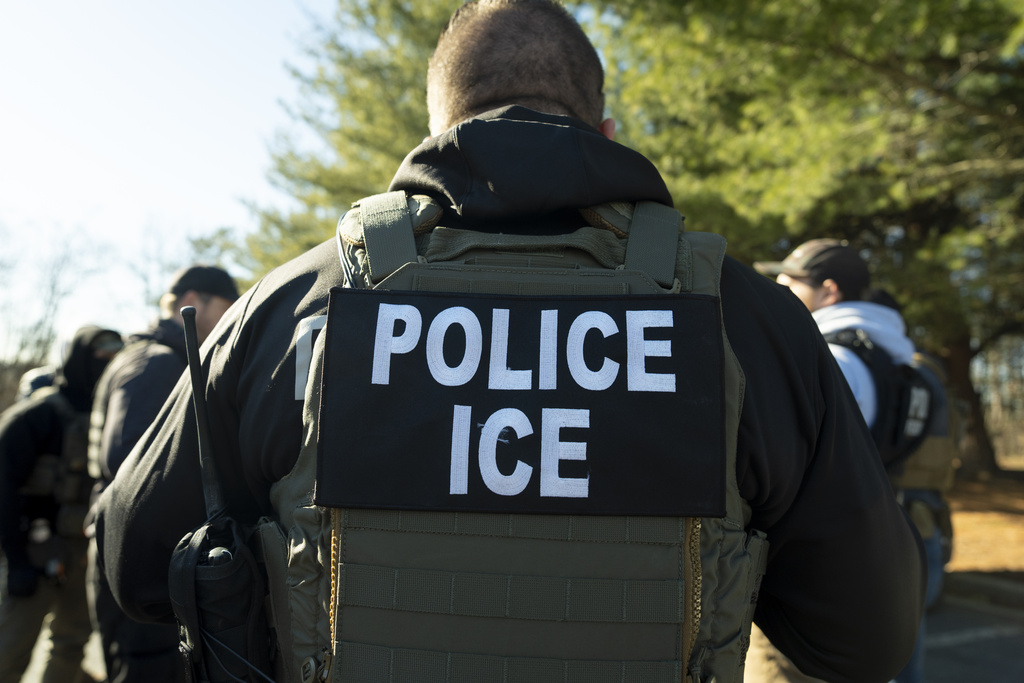
Wael’s father, Maher Tarabishi, a Jordanian national, had been his full-time caregiver for years. He was detained by U.S. Immigration and Customs Enforcement (ICE) in October 2025 during a scheduled immigration check-in and remained in federal custody at the time of his son’s death.
Family members say Maher provided specialized, round-the-clock care that others struggled to replicate after his detention. Wael’s health reportedly declined in the following months, including hospitalizations for infections and complications related to his condition.
However, medical reporting indicates that Wael ultimately died from complications of Pompe disease, the lifelong illness he had battled since childhood.
There has been no official finding that his father’s detention legally caused his death.
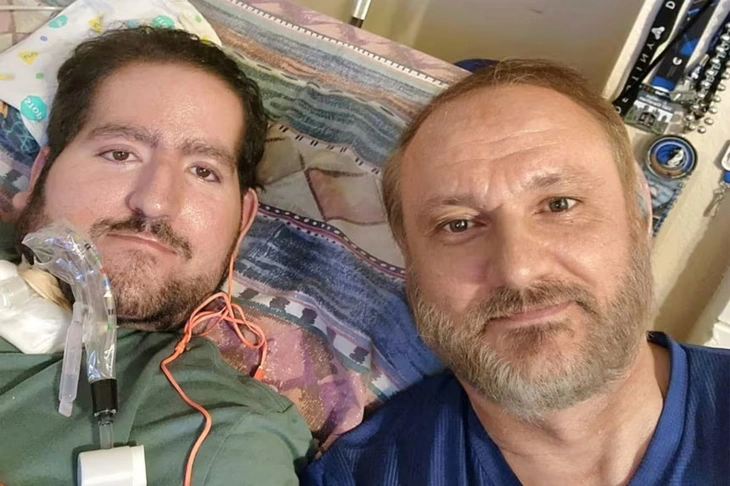
The case has nevertheless sparked significant public debate. Advocacy groups and relatives argue humanitarian discretion should have been applied, especially given Maher’s caregiver role and prior permission to remain in the U.S. for that purpose.
ICE officials have not publicly detailed all legal factors behind the detention but have stated that custody decisions follow immigration enforcement policy.
Requests for temporary release so Maher could visit his son before death—or attend the funeral—were denied, according to family attorneys.
The tragedy has become a flashpoint in broader discussions over immigration enforcement, medical dependency, and humanitarian exceptions. While emotions surrounding the case are intense, investigations and legal reviews continue, and public claims assigning direct criminal liability remain matters of political and legal dispute rather than established judicial findings.