Key Facts About the Ethiopian Bible and Post-Resurrection Texts
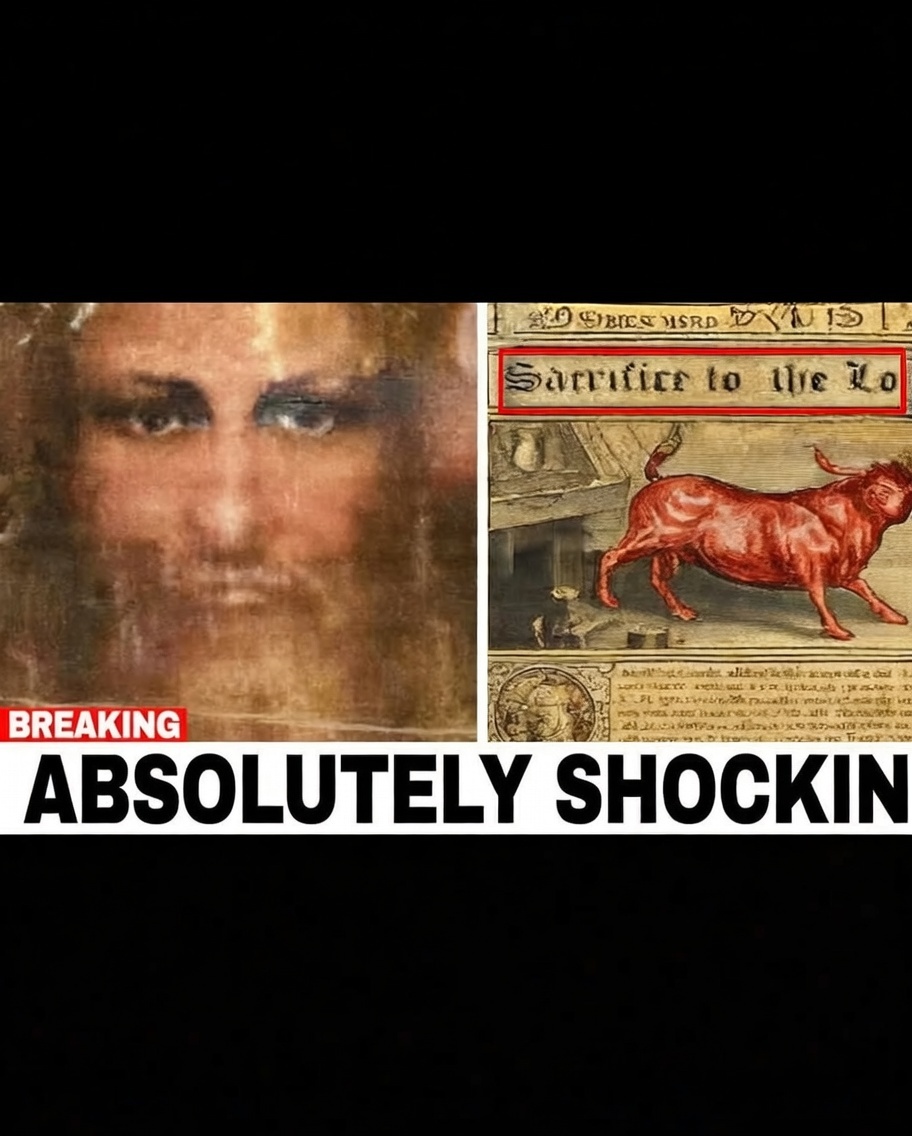
The claim circulating about AI scans of the Ethiopian Bible uncovering “overlooked” or “long-ignored” post-resurrection passages attributed to Jesus appears to be largely sensationalized or based on misinformation, primarily from viral YouTube videos, TikTok clips, and Facebook posts in late 2025–early 2026. These sources often use dramatic titles like “AI Scans the Ethiopian Bible—Jesus’ Words After the Resurrection Are SHOCKING” or “Grok AI Decoded 2000 Year Old Ethiopian Bible—And What It Revealed is Terrifying!” but provide no verifiable scholarly sources, peer-reviewed publications, or official statements from Ethiopian Orthodox Church authorities, academic institutions, or AI research groups.
Key Facts About the Ethiopian Bible and Post-Resurrection Texts
The Ethiopian Orthodox Tewahedo Church uses one of the oldest and broadest biblical canons (81 books in total, including deuterocanonical/apocryphal texts like Enoch, Jubilees, and parts of the Apostolic Constitutions). It preserves some ancient manuscripts in Ge’ez (classical Ethiopic), dating back to the 4th–6th centuries CE, such as the Garima Gospels (one of the oldest illustrated Christian books).
 However:
- Post-resurrection passages: The canonical New Testament (shared across traditions) already includes post-resurrection appearances and teachings in the four Gospels (especially Matthew 28, Luke 24, John 20–21, and Acts 1). Mark 16:9–20 (the longer ending) is a later addition in many manuscripts but is included in the Ethiopian canon. No major scholarly discovery in 2025–2026 has revealed entirely new, previously unknown sayings of Jesus after the resurrection via AI scans.
- AI involvement: AI tools (including hyperspectral imaging, pattern recognition, or transcription models) have been used in recent years to analyze ancient manuscripts (e.g., the Dead Sea Scrolls, Herculaneum scrolls, or Ethiopian texts). But no credible academic or church source reports a 2025–2026 AI breakthrough uncovering “shocking” or “terrifying” post-resurrection passages in the Ethiopian Bible that were “long overlooked by Western canons.” Videos claiming this often recycle older footage, use speculative narration, or misrepresent existing apocryphal texts (e.g., the Gospel of Nicodemus, Acts of Pilate, or Ethiopic traditions).
- Why the speculation persists: The Ethiopian canon includes unique books (e.g., 1 Enoch, Jubilees, Ascension of Isaiah) with apocalyptic and visionary content, some referencing resurrection themes. These have been known for centuries and studied extensively. Viral content often exaggerates or fabricates “hidden” elements for engagement, blending real archaeology with conspiracy-style narratives (e.g., “Jesus’ secret teachings” or “erased truths”).
Scholarly and Church Perspective
Ethiopian Orthodox scholars and Western biblical experts emphasize:
- The Ethiopian Bible’s canon is ancient and preserved, but differences (e.g., inclusion of Enoch) are well-documented and not “newly discovered” by AI.
- No recent AI scan has revealed previously unknown canonical post-resurrection sayings of Jesus that “challenge accepted religious history” in a shocking way.
- Caution is warranted: AI can enhance readability of faded texts or detect patterns, but claims of “terrifying” or “unsettling” revelations are typically sensationalized without peer-reviewed evidence.
If this stems from a specific video, post, or article you saw (e.g., YouTube channels like “Reef Discovery” or “HeavenlyGiftedVoice” in early 2026), those are often entertainment-focused and not scholarly. Reliable sources for Ethiopian biblical studies include:
- The Ethiopian Orthodox Tewahedo Church’s official publications
- Academic works on Ge’ez manuscripts (e.g., by scholars like Alessandro Bausi or the Beta Maṣāḥǝft project)
- Peer-reviewed journals (e.g., Journal of Ethiopian Studies, Aethiopica)
If you have a link to the specific claim or footage, feel free to share, and I can analyze it further! Otherwise, treat these viral stories with skepticism—they’re more about clicks than new biblical scholarship.